Real stories to spark your future

When school ends, the journey begins — and in Logan, young people have plenty of exciting paths to choose from. Whether it’s stepping straight into work with a local employer, pursuing tertiary study, or exploring vocational training, the options can feel overwhelming. That’s why we’ve gathered helpful resources below to guide you. Logan is a city of opportunity, with employers, educators, and support organisations ready to help you take the next step.

Be inspired by four Logan locals who’ve turned challenges into opportunities. These short videos share real stories of young people who’ve found their path through education, training, and community support—showing that with determination and the right guidance, anything is possible.

Work to Live - Logan Youth Pathways

Logan city council's youth guide

This guide can help you to make the shift from school to employment or further training. It also explains the many services available to school leavers in Logan. It contains information about:

  • training providers
  • youth support services
  • volunteering
  • legal support and services
  • banking
  • voting
  • driver’s licence
  • tax, superannuation and all sorts of things.

Download the Youth guide 2025 (PDF 3.3 MB)

Logan city council's youth guide

Tertiary Pathways

There’s a big future awaiting students who choose Queensland for their university education. Queensland is home to some of Australia’s top universities and offers study and research opportunities across a wide range of industries. These universities offer education programs for undergraduate, postgraduate and research including: bachelor degrees, honours, graduate certificates, graduate diplomas, masters by coursework, masters by research and PhDs. Queensland universities offer study and research opportunities across a wide range of industries. Queensland universities are where big futures are being realised in future-focused areas including biomedicine, advanced manufacturing, aerospace, advanced agriculture technology, smart mining, sustainable energy, entrepreneurship and more.

Learn more

Traineeships and apprenticeships

If you're exploring apprenticeship and traineeship pathways, the following organisations offer a wide range of opportunities across industries such as engineering, hospitality, business, health, IT, construction, and more. Each provider supports young people and jobseekers through training, employment programs, and community initiatives. Below are some key organisations to consider:


Learn more

Alternative pathways

If you're exploring apprenticeship and traineeship pathways, the following organisations offer a wide range of opportunities across industries such as engineering, hospitality, business, health, IT, construction, and more. Each provider supports young people and jobseekers through training, employment programs, and community initiatives. Below are some key organisations to consider:

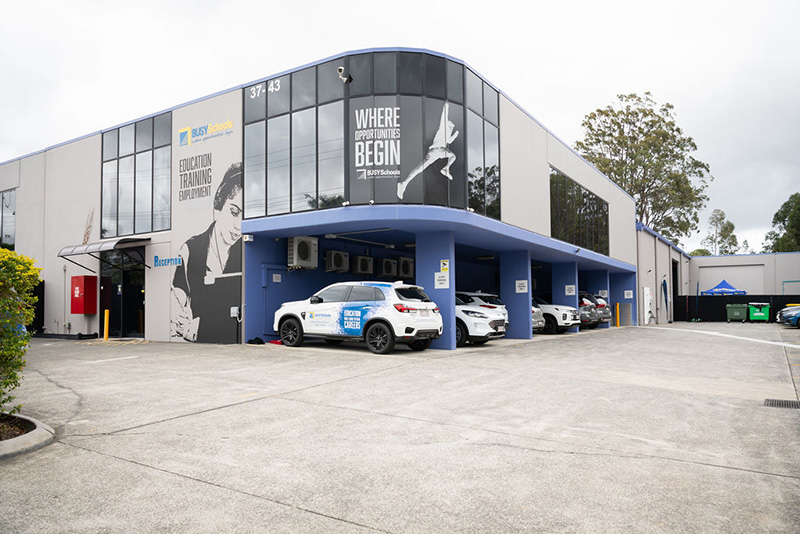
The BusySchool

The BusySchool

An alternative education offering tailored training and pathways for Year 11 and 12 students who have disengaged with their schooling, delivered by not-for-profit BUSY At Work.
Learn more

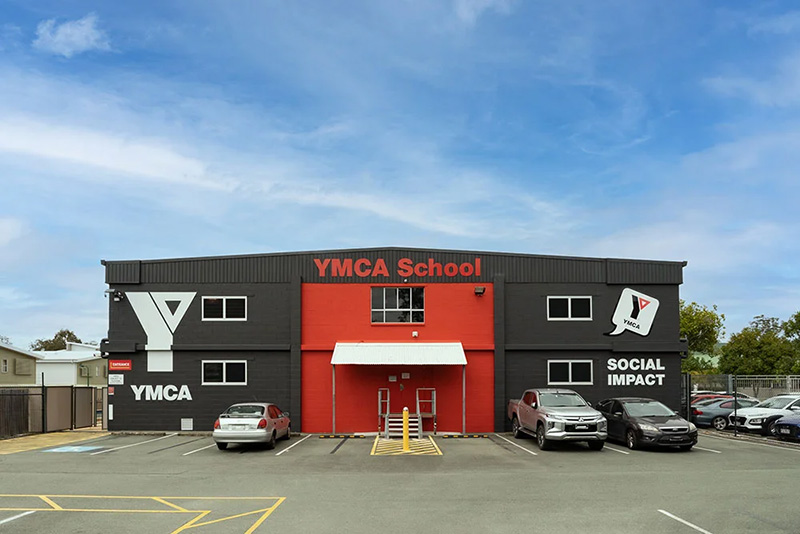
Y Schools Queensland Logan Junior

Y Schools Queensland Logan Junior

Logan Junior is a supportive campus for Year 7–9 students, offering hands-on learning, a pool for physical activity, and tailored programs with local support services.
Learn more

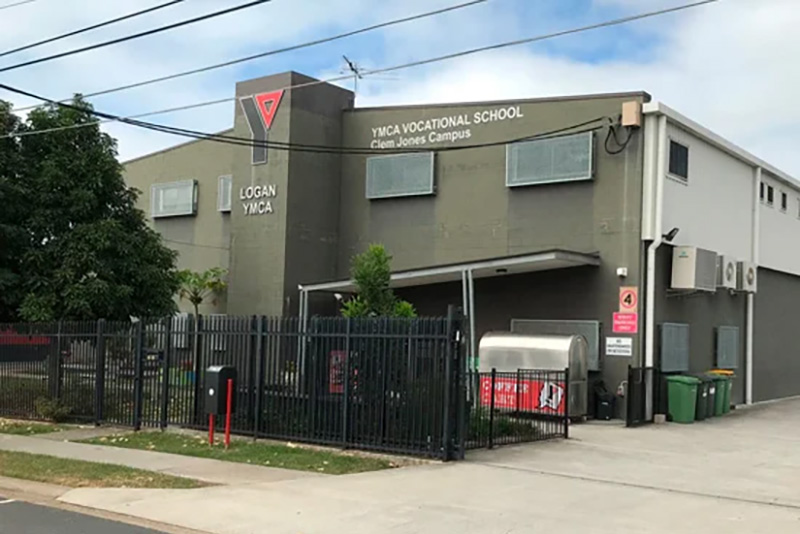
Y Schools Queensland Logan Senior

Y Schools Queensland Logan Senior

Logan Senior supports Year 10–12 students with flexible learning, career-focused pathways, and strong connections to local services and training providers.

Learn more

Office for Youth

Office for Youth

The Australian Government Office for Youth provide opportunities for young people aged 12 to 25 to share their ideas and be included in government decisions.
Learn more

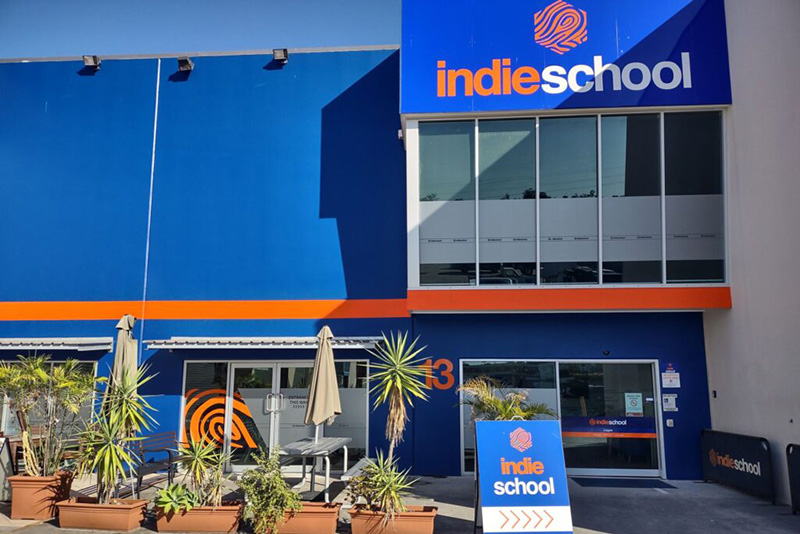
Indie School

Indie School

Indie School Logan is an independent alternative high school for students in Years 9 to 12 across the wider Logan area, offering a flexible and inclusive learning environment.
Learn more

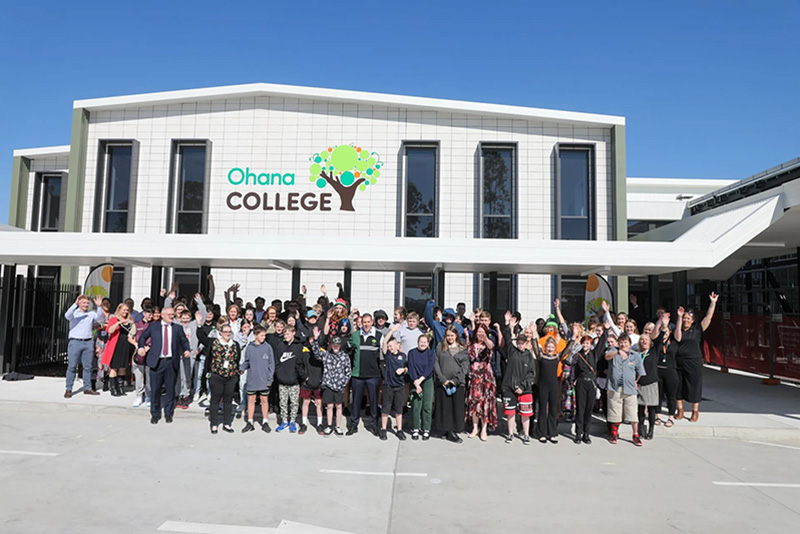
Ohana College

Ohana College

Ohana College is a co-educational special assistance school offering inclusive, future-focused education and wellbeing programs tailored to diverse student needs.

Learn more

Events

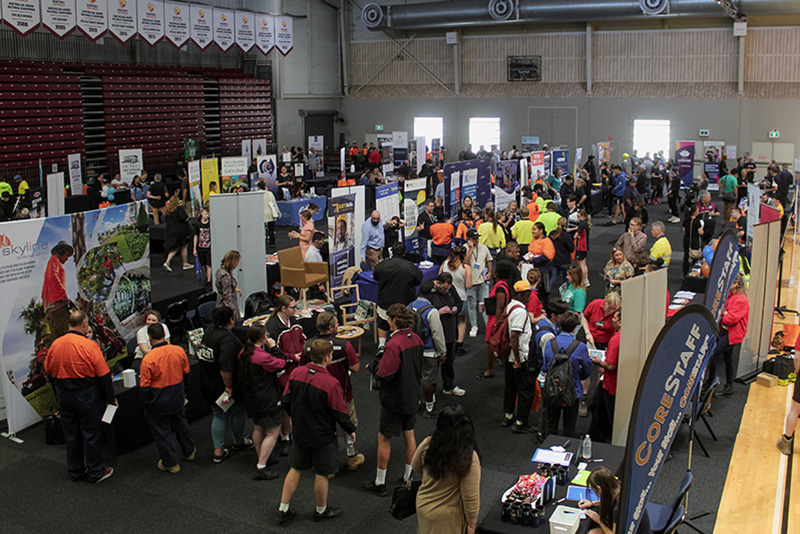
Logan City Council actively supports career development through a series of impactful expos tailored to different industries and age groups. For young people aged 12 to 25, the Council hosts the annual IGNITE Youth Careers Expo, which welcomes over 1,200 students and exhibitors and connects them with education providers, training organisations, and employers.

For those interested in trade-based careers, the Logan Jobs Expo for Trades, Manufacturing, and Construction Industries offers hands-on opportunities to meet local employers, explore apprenticeships, and learn about paid training options. These events are part of the Mayor’s Local Jobs and Skills Taskforce and are designed to help Logan residents take meaningful steps toward employment and career success.
Learn more

Logan city council's youth guide

Latest jobs

Teacher - Primary, Prep, Edens Landing State School

Teach Queensland

Edens Landing, QLD

Experienced Asphalt Labourer

Hotdriveways Qld

Logan Village, QLD

Speech Pathologist

Gorilla Jobs

Kairabah, QLD

Store Team Member

Woolworths Supermarkets

Holmview, QLD

ERP Project Manager

Axr Group

Beenleigh, QLD

SAP Data Warehouse Expert

Axr Group

Beenleigh, QLD

Preparing to apply for jobs

Most employers with a job vacancy will ask you to send them information about yourself, as a first step in determining if you’re suitable for the vacant role. Usually this involves preparing a cover letter and a resume.

Include link to library document here: https://loganlibraries.org/job-help/

Cover letter

Your cover letter is your first chance to make a good impression. The aim is to introduce yourself and explain why you’re suitable for the role, prompting the employer to then read your resume for more details – and then hopefully invite you for an interview.

Tips

  • Include the date, your name and contact details clearly at the top of your cover letter.
  • Address it ‘Attention to:’ and include either the contact person named in the job ad or (if no name is provided) to the employer/agency advertising the job (e.g. Logan City Council).
  • Start your letter with ‘I am applying for the [name of position] job advertised in/on [the website/publication you saw the ad]. If available, include the date the ad was posted.
  • Use the letter to provide a short summary of your skills and experience. Again, the aim is to show the employer you’re right for the job.
  • Use good spelling and grammar. If possible have someone else read it before you hit send.

Resume

Your resume is a summary of your career objectives, skills, education and experience. It’s the document that has the most influence on an employer’s decision to interview you. Whatever you say in your cover letter has to be backed up by your actual job experience and qualifications listed in your resume.

It’s fine to adapt your resume to suit the job you’re going for, emphasising your experience and skills relevant for that particularly job. It’s critical, though, to always be honest about your skills and experience and to not ‘oversell’ yourself. If you get the job, you need to be able to do it!

Tips

  • Include your name and contact details clearly at the top of your resume.
  • Include a statement that summarises your skills and experience, also including your availability (do you have to give notice at your current job?) and your mode of transport (do you have you own car, a current driver’s licence? etc.).
  • List your qualifications and certificates, including where they were obtained and the year.
  • List your employment experience – starting with your most recent job and working backwards. For each job, include the name of the employer, your job title, the years/months you were there, your achievements and your responsibilities in that role.
  • List any volunteering and/or other relevant work experience.
  • List any other ‘Personal attributes/life experiences’ that may be relevant to show your capacity to do the job and make a positive contribution to the workplace.
  • If possible, include the names and contact details of your referees. Make sure they are current, and are aware they may be contacted (this generally will only happen after interview, if you are the preferred candidate).

Key selection criteria (most common for government jobs)

Key selection criteria are used to give employers more detailed insight into whether or not you have the correct skills and experience to do the job advertised. It’s also your chance to promote yourself and your achievements. (If there is no mention of selection criteria in a job ad, you don’t need to worry about this step.) Key selection criteria are most often used by government employers, but many recruitment agencies and some larger corporate employers also use them.

Tips:

  • Your responses to selection criteria should be in a document separate to your resume.
  • Make sure you clearly state your name at the top of the page, as well as the job title (and any reference number).
  • Write each selection criteria in bold, and then (under each one), provide an example of how you have demonstrated that skill/attribute in a past/current role. This makes it easy for the employer/recruiter to see exactly which criteria you are responding to.
  • When responding, consider the following (known as the STAR Method):
    • SITUATION: Describe the situation/work environment you were in.
    • TASK: What did you need to do to deal with the situation?
    • ACTION: What did you do? What was your specific role?
    • RESULT: What was the outcome? What did you learn?
  • Some employers will direct you to respond to selection criteria in your cover letter only. Read the job ad carefully to see which format is required.

Preparing for an interview

If you’re invited for an interview, it means the employer thinks you’re a genuine candidate for the advertised role. You’ve made it through the first recruitment phase and impressed them enough that they want to meet you and find out more about your skills, experience and personal attributes. Generally, you’ll be one of a number of people being interviewed for a single position.

Be prepared

  • Do your research: make sure you know the basic facts about the job and the employer (especially understanding exactly what it is they do).
  • Be neat and presentable. If the job is office-based, dress appropriately. If it is outdoors or warehouse/factory-based, dress in smart, clean clothes.
  • Make sure you know the address of the company and where you need to go for your interview.
  • Allow enough time to get there: being late does not create a good impression!
  • Plan to arrive 10 minutes early so you can settle yourself before your interview.
  • Bring a copy of your resume, cover letter (and selection criteria if relevant), as the interviewers may refer to them.
  • Turn off your mobile phone before going into the interview.
  • Shake hands with your interviewer/s and make eye contact.
  • Take your time when responding to questions. It’s okay to ask for a question to be repeated. It’s also okay to take a moment to think about a response before you start speaking.
  • Prepare a question for the interview panel, as you will most likely be asked if there is anything you would like to know about the job. Use this opportunity to show your genuine interest in the role, the business and the work environment.
  • Try to relax!
  • Be yourself.

What sort of questions to expect

During the interview, you will likely be asked questions that give you an opportunity to show how your skills and experience are relevant to the vacant job. You will also be asked general questions that enable you to talk a little about yourself and your personal strengths.

  • Tell us a little bit about yourself? (This is about your work history).
  • What attracted you to apply for this job? (What is your motivation in applying?)
  • What are your strengths? (What are you best at, particularly in a work context?)
  • What are your areas for improvement? (This is a chance to show your interest in learning/career progression.)
  • What are your goals? Where do you see yourself in five years? (This is a chance to show you are motivated and interested in career progression)
  • Can you provide an example of a time when you… (These types of questions will relate to the responsibilities and requirements of the job.)
  • When can you start?
  • Do you have any questions for us?